



Introduction: The Power of Civil Infrastructure
Civil infrastructure is the backbone of every thriving economy. From the roads we travel on to the bridges that connect communities, and from power plants that fuel industries to water systems that sustain life—civil and electrical infrastructure shape the way we live, work, and grow.
The importance of building infrastructure that lasts cannot be overstated. In an era of rapid urbanization, climate challenges, and growing populations, the focus has shifted from short-term solutions to sustainable, long-lasting infrastructure. Nations that invest in durable and reliable civil works not only improve the quality of life for their citizens but also unlock economic growth for decades.
In this blog, we will explore:
- The role of civil and electrical infrastructure in shaping societies.
- Stories of successful infrastructure projects and their impact.
- How sustainable practices are redefining modern construction.
- The future of infrastructure development and why it matters.
Section 1: Why Strong Civil Infrastructure Matters
Civil infrastructure encompasses essential facilities and systems that support daily life and economic activity. Think highways, railways, bridges, dams, airports, water supply systems, and energy distribution networks. These aren’t just structures—they are lifelines that enable development.
Key reasons why infrastructure matters:
- Economic Growth: Every rupee invested in infrastructure creates multiple times its value in economic output by boosting productivity and connectivity.
- Social Development: Infrastructure improves access to healthcare, education, and employment opportunities.
- Safety and Security: Well-planned roads, drainage systems, and power networks protect communities from disasters and disruptions.
- Sustainability: Long-lasting infrastructure minimizes environmental impact by reducing the need for frequent repairs or rebuilds.
In essence, strong foundations enable stronger futures.
Section 2: Stories of Infrastructure That Changed the Game
To understand the transformative power of infrastructure, let’s look at examples of projects that left a lasting legacy.
- The Golden Quadrilateral, India
India’s Golden Quadrilateral highway network connected Delhi, Mumbai, Chennai, and Kolkata. It reduced travel time drastically, boosted trade between regions, and spurred industrial growth across states. This single project reshaped logistics and commerce in India. - Rural Electrification Projects
Access to electricity in rural areas has improved education, healthcare, and entrepreneurship. Solar microgrids and transmission lines in remote villages have reduced reliance on kerosene lamps and diesel generators, creating healthier and more productive communities. - Metro Rail Networks in Indian Cities
Cities like Delhi, Bengaluru, and Hyderabad have seen a transformation through metro systems. These projects not only reduced traffic congestion but also cut down emissions, making urban living more sustainable. - Smart Water Supply and Irrigation Projects
Infrastructure that ensures reliable water supply has boosted agriculture in states like Gujarat and Maharashtra. Dams, canals, and smart irrigation systems have supported farmers while reducing water wastage.
These stories highlight how civil and electrical infrastructure projects go beyond construction—they transform lives.
Section 3: The Interplay of Civil and Electrical Infrastructure
Civil and electrical infrastructure are deeply interconnected. One cannot thrive without the other.
- Power Plants & Transmission: Civil structures provide the foundation for electrical systems, while electricity powers homes, industries, and infrastructure itself.
- Urban Development: Housing colonies, hospitals, and offices require both civil structures and reliable power distribution.
- Transportation Systems: High-speed trains and metro systems depend on strong tracks, tunnels, and stations, all powered by efficient electrical networks.
This synergy ensures seamless functionality. A bridge without lighting, an airport without reliable power, or a smart city without electrical grids is incomplete.
Section 4: Building Infrastructure that Lasts
Building for tomorrow requires a shift in mindset. Infrastructure must be durable, adaptable, and sustainable. Here’s how modern civil engineering is achieving that:
- Sustainable Materials
Use of eco-friendly cement, recycled aggregates, and low-carbon concrete ensures long-term durability while minimizing environmental damage. - Advanced Construction Techniques
From prefabricated structures to 3D printing in construction, modern methods reduce costs, enhance accuracy, and ensure longevity. - Smart Technology Integration
IoT-enabled sensors monitor bridge safety, power grids, and water pipelines in real time, ensuring proactive maintenance. - Resilient Design
Infrastructure is now designed to withstand earthquakes, floods, and extreme weather conditions, making them future-ready. - Lifecycle Management
Instead of focusing only on construction, modern projects consider total lifecycle costs—including maintenance, operation, and sustainability.
Section 5: Challenges in Infrastructure Development
While the vision is clear, challenges remain:
- Funding and Investment: Large-scale projects require huge financial resources. Public-private partnerships (PPPs) are emerging as solutions.
- Land Acquisition Issues: Infrastructure expansion often faces delays due to land disputes.
- Environmental Concerns: Balancing growth with ecological preservation is complex but necessary.
- Technological Gaps: Not all regions have access to the latest tools and techniques.
- Maintenance Neglect: Many projects deteriorate because of poor upkeep.
These challenges underline the importance of planning, policy support, and innovation
Section 6: Civil Infrastructure and Sustainable Growth
Infrastructure is not just about development today—it’s about ensuring sustainability for future generations.
- Green Buildings save energy and water while creating healthier spaces.
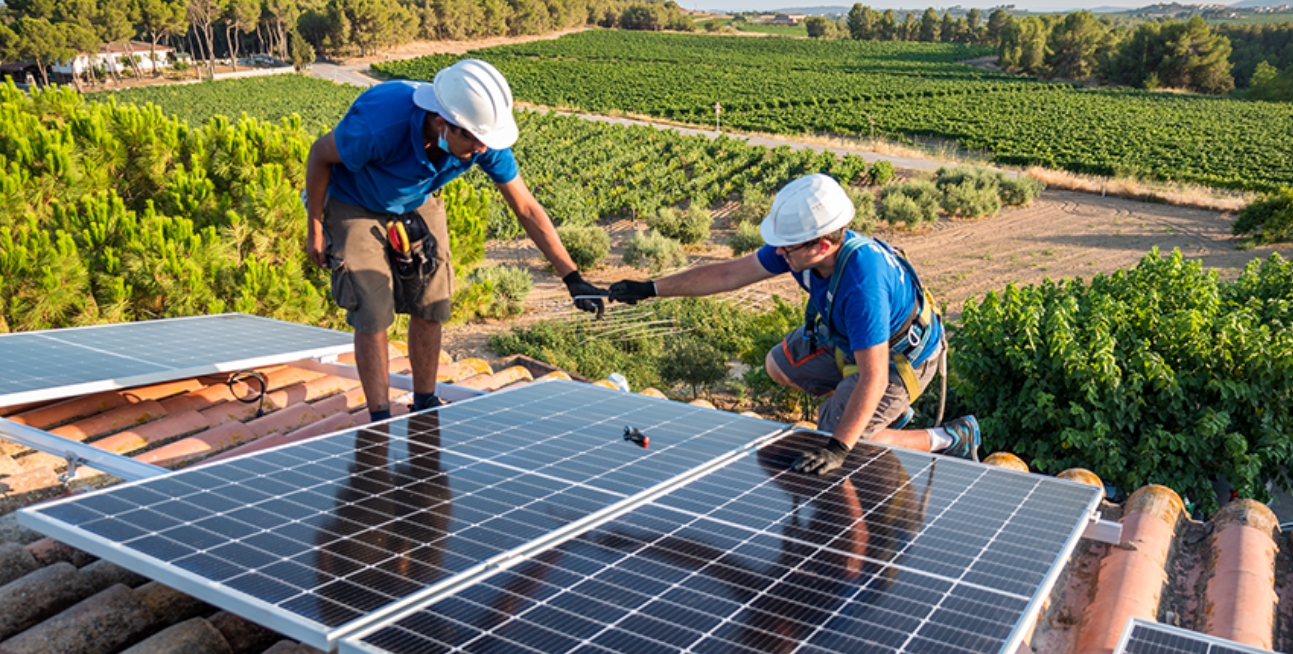
- Renewable Energy Projects integrated with civil works (like wind and solar farms) support clean growth.
- Smart Cities use integrated civil and electrical systems to optimize traffic, power, and water.
- Circular Economy Practices in construction reuse materials and minimize waste.
By aligning with global sustainability goals, infrastructure becomes a force for both growth and environmental stewardship.
Section 7: India’s Infrastructure Roadmap
India is one of the fastest-growing economies, and infrastructure is at the heart of this growth story.
- National Infrastructure Pipeline (NIP) projects worth trillions of rupees are underway.
- Smart Cities Mission is transforming urban living.
- Renewable Energy Integration aims for 500 GW of capacity by 2030.
- High-Speed Rail Projects like the Mumbai-Ahmedabad bullet train represent a leap in transportation.
These initiatives showcase India’s commitment to building strong foundations for tomorrow.
Section 8: The Role of Engineering Companies
Behind every successful infrastructure project is the expertise of engineering and construction companies. Their role includes:
- Designing resilient structures.
- Ensuring compliance with safety and environmental standards.
- Delivering turnkey civil and electrical solutions.
- Managing costs and timelines.
- Leveraging technology for efficiency.
Companies that integrate engineering excellence with sustainability will define the future of infrastructure.
Section 9: Building Strong Foundations for Tomorrow
Civil and electrical infrastructure isn’t just about today—it’s about creating opportunities for the next generation. When roads, bridges, hospitals, and power grids are built to last, they become legacies that shape nations.
A strong foundation means:
- Communities thrive with better access and opportunities.
- Economies grow through improved productivity.
- Future generations benefit from sustainable, resilient systems.
The future of infrastructure depends on how we blend innovation, sustainability, and responsibility in every project.
Conclusion
Civil infrastructure is more than construction—it is about building strong foundations for tomorrow’s growth. Whether through roads that connect, power grids that energize, or sustainable systems that protect the planet, infrastructure shapes our collective future.
By investing in durable and sustainable civil and electrical works today, we create a legacy of progress, resilience, and opportunity for generations to come.